
Suspecting Lipedema? You’re Not Alone.
If you’re living with—or suspect you may have—lipedema, you’re not imagining it. This chronic fat distribution disorder, which primarily affects women, causes an abnormal buildup of fatty tissue, most often in the legs and sometimes the arms.
Lipedema can result in significant physical discomfort and emotional distress. That’s why early diagnosis is so important—allowing you to begin a personalized treatment plan as soon as possible.
At LipoXpert, we deeply understand the daily challenges faced by lipedema patients. In the following section, we’ll help you better understand stage 2 lipedema and explore the treatment options available to support your health and well-being.
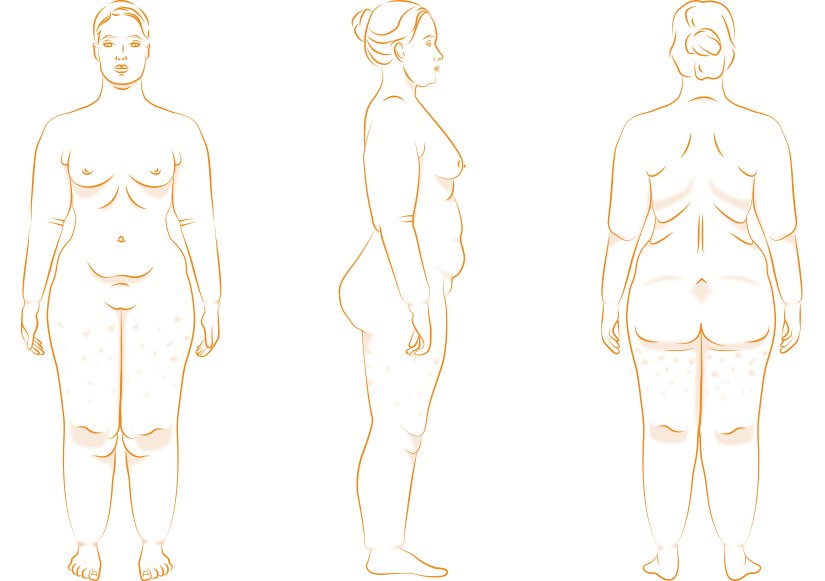
In stage 2 lipedema, the buildup of fatty tissue becomes more pronounced—particularly in the legs, hips, and buttocks. The classic “column-like” or “pillar leg” shape becomes increasingly noticeable. Compared to stage 1, the fat tissue is denser, more nodular, and the skin appears increasingly uneven.
As the condition progresses, many women begin to experience more intense physical symptoms such as pain, sensitivity to touch, and restricted mobility. Daily activities may become more difficult due to friction between the legs or the sheer weight of the affected areas. Beyond the physical strain, the emotional impact can be just as challenging. Feelings of insecurity, shame, and frustration are common—especially when lipedema is misunderstood or dismissed as simple weight gain, even in its more advanced stages.
The appearance as well as the respective symptoms of lipedema can vary from patient to patient. In the second stage, the disease is already visible externally and can cause significant discomfort.
This is what stage 2 lipedema can look like:
Why lipedema develops is not yet fully understood. However, various factors are associated with the disease and can be named as triggers. These include hormonal changes (e.g. during puberty or pregnancy), emotional stress and genetic predisposition.
It is often assumed – incorrectly – that progression of lipedema is caused by lack of exercise or poor diet. In reality, however, many lipedema patients are very active in sports, as far as they are able, because certain types of sports are part of the conservative lipedema therapy. They live a healthy life and sometimes also with a consistent low-calorie diet, and yet the weight stays the same or there is only a loss of weight on the upper part of the body. In the worst case, weight gain occurs.
Self-infliction of the disease can be clearly excluded!
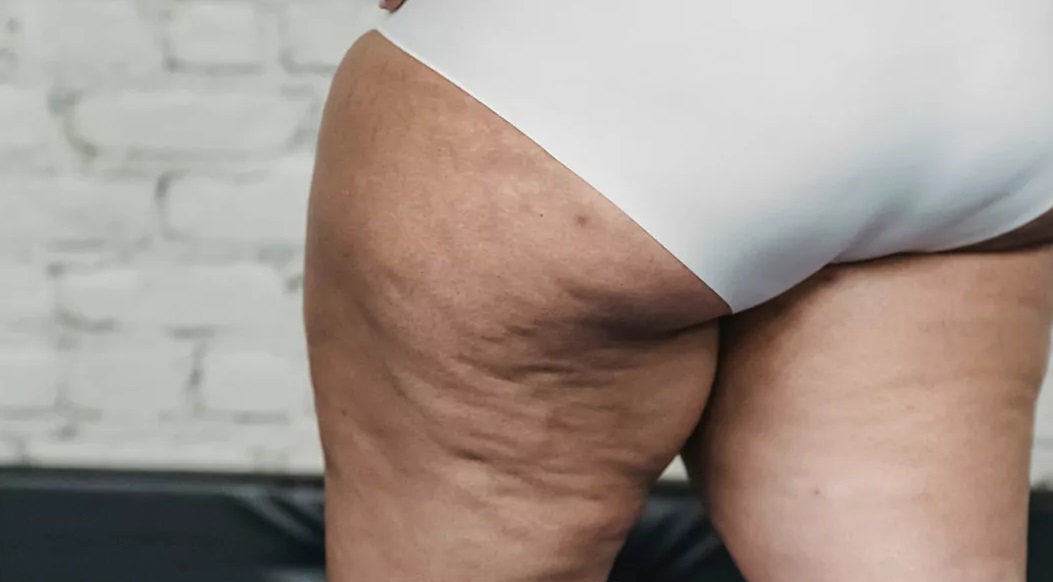
The symptoms of stage 2 lipedema go beyond those of stage 1. Even though the diagnosis is somewhat easier to make in this case, it also means increased discomfort for the affected person and thus restrictions in their everyday life. Symptoms include:
- Fat accumulation on the legs, arms and buttocks.
- The affected areas feel knotty and firm, often accompanied by pain on touch and pressure.
- The ankles are noticeably thickened, while the foot is slender
- There may be a significant feeling of tightness and heaviness.
- The skin shows more bumps and dents, which become visible when standing or when pressure is applied to the skin.
Symptoms may vary from person to person. While some patients already have clear symptoms in the first stage, for others these only develop further in stage 2. In any case, you should have a professional diagnosis made by a specialist in order to counteract further progression of the disease with appropriate treatment.
The diagnosis of lipedema is usually made by a phlebologist (vein doctor) or specialists who specialise in lipedema. In principle, the general practitioner can make a diagnosis, provided he or she is familiar with the clinical picture.
The diagnosis of grade II lipedema can be made in different ways:
Every diagnostic consultation usually begins with a question about existing symptoms and possible previous illnesses. Do you experience pain, frequent bruising or increased sensations of pressure and cold? Are there other known cases of lipedema in your family?
The probability of stage 2 lipedema can often be recognised at a glance by a trained eye. Visible symptoms such as disproportionate fat deposits and thickened joints can provide information.
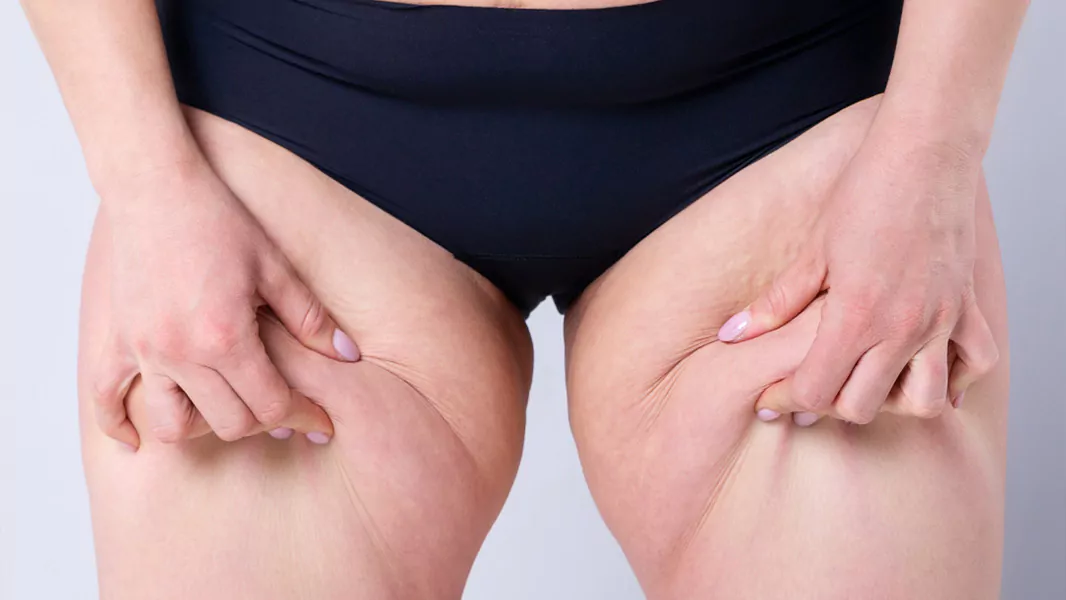
Since lipedema in the second stage in many cases already causes clear discomfort when touched or pressure is applied, an examination by external palpation is a revealing method to detect lipedema. The so-called pinch test, in which the skin is lightly pinched in various places, usually causes pain in an advanced lipedema, whereas a healthy person would not experience any discomfort.
Ultrasound examination is generally not considered reliable for diagnosing lipedema, as it cannot distinguish ‘normal’ fat from lipedema fat. However, at LipoXpert we this method in conjunction with other diagnostic procedures to check for varicose veins that could cause extra intra-op bleeding and minimize post-op bruising. This data makes it easier for us to plan the subsequent treatment.
If we determine that you have stage 2 lipedema – or other stages – we will be happy to discuss your further treatment options in the next step.
The treatment of advanced stage 2 lipedema usually involves a combination of conservative measures and, if necessary, surgery. Treatment methods such as:
Conservative therapy includes non-surgical measures that can help to alleviate the symptoms of stage 2 lipedema and control the course of the disease. The following therapeutic approaches play a role here:
Manual lymphatic drainage
Manual lymphatic drainage is a proven method for treating stage 2 lipedema. Using special massage techniques, a trained physiotherapist stimulates the flow of lymph in the body and supports the decongestion of the tissue. The rhythmic movements of the massage reduce swelling and possible oedema, decrease the feeling of heaviness and relieve pain.
Compression garments
Compression garments, usually in the form of compression tights, compression stockings or compression bolero, also serve to decongest the tissue. Similar to manual lymphatic drainage, it supports the flow of lymph by applying even pressure to the tissue.
In order for compression to relieve pain and stabilise the tissue in the long term, it should be worn regularly.
Sport
Certain sports such as swimming or aqua gymnastics have a positive influence on stage 2 lipedema. Similar to compression, even pressure is exerted on the tissue, which benefits the lymph flow and at the same time relieves the body, especially the joints.
Ketogenic diet
In some cases, the ketogenic diet is used as a supportive measure for stage 2 lipedema. This diet is characterised by a very low carbohydrate intake and an increased fat intake. In this way, the body is supposed to draw more on fat reserves for energy, which can lead to a reduction in fatty tissue and an improvement in symptoms. The ketogenic diet should at best be followed under medical supervision.
Conservative therapy can bring relief to the body in everyday life and relieve pain and other discomforts. However, these are not curative measures, so complete freedom from symptoms cannot usually be achieved. Conservative therapy is also an ongoing process.
In the second stage, lipedema is already advanced and is sometimes accompanied by severe discomfort, so that conservative therapy measures often reach their limits. In this case, liposuction is a solution to be considered.
Liposuction for lipedema is the only way to date to completely remove diseased fatty tissue in the long term. Unlike liposuction, which is known from cosmetic surgery, the focus here is not on the aesthetic appearance (even if this is an accompanying advantage of lipedema surgery), but on the relief of severe pain.
In some cases, liposuction can even achieve complete freedom from symptoms. Our experienced specialists perform liposuction on lipedema patients in all stages.
Living with stage 2 lipedema can be challenging, but there are ways to make everyday life easier. Meet yourself with acceptance and compassion and respect your own limits.
Some tips for managing lipedema are:
- A healthy lifestyle with a balanced diet and regular exercise can help control the symptoms of stage 2 lipedema. Make sure you eat a balanced diet that is rich in nutrients and meets individual needs. Regular exercise, such as walking or gentle sporting activities, can stimulate lymph flow and promote overall health.
- Avoid extremes of temperature, as both heat and cold can worsen the symptoms of lipedema. Protect yourself from excessive heat by taking cooling measures and reducing sun exposure. Also avoid prolonged sitting or standing in cold environments as this can affect circulation.
- Wearing appropriate compression garments can help support the pressure on the tissues and help reduce swelling. Wear them regularly and make sure they fit properly to get the best effect.
- Look for support and exchange with other lipedema sufferers in self-help groups or online forums. Sharing with people who have similar experiences can be helpful and offer you new perspectives and information. Share your questions, concerns and successes and let the lipedema community support you.
The assumption of costs for lipedema surgery can depend on various factors, such as the severity of the lipedema, the individual insurance situation and the guidelines of the respective health insurance company. In a current decision from 2020, it was determined that under certain conditions, it is possible for the costs to be covered by the health insurance fund. However, this ruling usually refers to advanced stage 3 lipedema. These are always individual decisions that are closely related to the symptoms and complaints of the respective patient. In order to find out whether coverage is possible for your specific situation, it is strongly recommended that you ask your health insurance company.
Remember – you are not alone! Many women cope with the challenge of lipedema every day. In addition, there are now ways to improve your quality of life in the long term and to combat complaints. The lipedema specialists at LipoXpert will be happy to help you start on this path to a new, carefree life. So do not hesitate to contact us. We are there for you in word and deed and would like to help you find the best possible way to deal with your lipedema.